Cultural views on gambling How perspectives shape beliefs and behaviors
Cultural Definitions of Gambling
The concept of gambling varies significantly across different cultures, often shaped by historical, religious, and social influences. In some societies, gambling is seen as a social activity, a way for communities to gather and engage with one another. For example, in certain Indigenous cultures, games of chance can play a role in ceremonial events, reflecting both recreational and spiritual dimensions. This contrasts sharply with cultures where gambling is viewed with suspicion or outright prohibition, often linked to moral or ethical concerns. As you delve into this topic, consider how to access your account through the mafia casino login and explore these cultural perspectives.
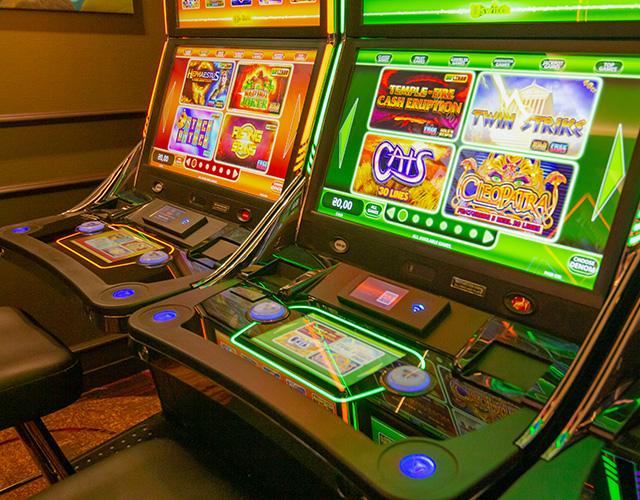
In Western contexts, particularly in the United States, the rise of casinos and online gambling has transformed perceptions. For many, gambling is synonymous with entertainment, offering a form of escapism from everyday life. However, this perspective is not universally accepted; some view it as a source of addiction and social decay. The duality of gambling as both leisure and potential vice highlights the complexity of cultural attitudes toward risk-taking behaviors.
These divergent views can inform policies and regulations regarding gambling within each culture. For instance, countries like Monaco and Singapore have embraced casino culture, creating environments that celebrate high-stakes gambling, while others have enacted strict laws against it. Such legal frameworks are often rooted in the overarching cultural narratives that dictate what is acceptable behavior in relation to chance and risk.
The Role of Religion in Shaping Attitudes
Religion has a profound influence on cultural perspectives regarding gambling, often dictating what is permissible and what is not. Many religious doctrines explicitly discourage gambling, associating it with greed and immoral behavior. For example, Christianity generally warns against the temptations of gambling, while Islam strictly prohibits it, viewing games of chance as forms of unfair advantage. In these contexts, gambling is frequently framed as detrimental to both the individual and the community.
Conversely, there are religious traditions that incorporate gambling in varying degrees. Certain celebrations in Hindu culture, such as Diwali, feature games of chance, where families gather to play cards. This usage is often imbued with cultural significance, enhancing social bonds rather than being merely about winning money. Such practices can reflect how religious beliefs intertwine with local customs, offering a more nuanced view of gambling’s place in society.
Additionally, the increasing globalization and intermingling of cultures can create tensions where differing religious beliefs collide. For instance, a society with a strict anti-gambling stance may find itself grappling with the influx of tourists from regions where gambling is celebrated. This conflict can lead to legal reforms or societal shifts as communities adapt to the realities of a more interconnected world.
Societal Influences on Gambling Behavior
Societal norms and values are critical in shaping individual gambling behavior. In cultures where gambling is normalized and seen as a common pastime, individuals may be more likely to engage without feeling stigmatized. This acceptance can lead to a thriving gaming industry, where activities such as poker nights and bingo games are commonplace social events. Conversely, in societies where gambling is stigmatized, those who participate may feel marginalized or guilty, leading to secrecy and potentially harmful gambling behaviors.
The impact of socioeconomic status also plays a pivotal role in gambling behaviors. In some cultures, individuals from lower socioeconomic backgrounds may turn to gambling as a quick means of financial relief, seeing it as a potential way to escape poverty. This “desperation gambling” can lead to issues of addiction and financial hardship, raising ethical questions about the industry’s responsibility towards vulnerable populations. In wealthier societies, gambling might be framed more as an entertainment choice than a necessity.
Moreover, the portrayal of gambling in media and popular culture significantly influences societal attitudes. Movies, television shows, and social media often glamorize high-stakes gambling, portraying it as a thrilling adventure. This can create unrealistic expectations around winning and lead individuals to underestimate the risks involved. When gambling is depicted in a positive light, it can shape the beliefs and behaviors of future gamblers, cultivating a culture that may overlook the potential harms associated with excessive gambling.
The Intersection of Gender and Gambling
Gender plays a significant role in shaping cultural views on gambling, often dictating who participates and how they are perceived. Traditionally, gambling has been seen as a male-dominated activity, with men often viewed as risk-takers. In many cultures, women engaging in gambling may face societal scrutiny or stigma, leading to a gender divide that can affect their participation rates. However, recent years have seen an increase in female gamblers, challenging outdated stereotypes and redefining the gambling landscape.
Women’s engagement in gambling often reflects broader societal changes and the push for gender equality. As women gain more financial independence and autonomy, they are increasingly participating in various forms of gambling, including online platforms. This shift is not merely a question of numbers; it also alters the dynamics of gaming culture, pushing for more inclusive environments and a reevaluation of how gambling is marketed. The recognition of women as active participants can lead to innovative gaming experiences tailored to their preferences.
Moreover, the way different genders experience gambling can vary greatly, influencing behaviors and attitudes toward risk. Research indicates that men and women may approach gambling with different motivations, such as social engagement versus personal achievement. Understanding these distinctions is crucial for the gambling industry, as it highlights the importance of catering to diverse audiences, ensuring that all players feel welcomed and valued within the gambling environment.

Exploring Casino Culture: A Case Study of Online Gaming
As the digital landscape evolves, online gambling has emerged as a significant aspect of casino culture, reflecting broader cultural perspectives on gambling. Online platforms enable players to engage with games from the comfort of their homes, transcending geographical barriers. This accessibility has fostered a global community of gamblers, uniting diverse cultural perspectives under one digital roof. However, it also raises questions about addiction and responsible gambling practices.
The rise of online gambling reflects a cultural shift toward accepting and normalizing gambling behavior. With user-friendly interfaces and engaging promotional offers, such as welcome bonuses and free spins, online casinos like Mafia Casino have capitalized on the growing interest in gambling. This popularity indicates a broader societal acceptance, as individuals are increasingly willing to partake in these activities without the stigma often associated with traditional gambling venues.
However, this expansion comes with challenges. The virtual nature of online gaming can lead to impulsive decisions, with players often losing track of time and money. Cultural narratives around responsible gambling are thus vital in shaping behaviors and encouraging safe practices. As the industry continues to grow, it becomes imperative for operators to prioritize player safety, utilizing transparent policies and educational resources to promote a healthy approach to gambling.