
Emma, a 28‑year‑old marketing executive in Manchester, starts her morning by checking the leaderboard of “Clash of Realms” while waiting for the train. By lunch, she’s teamed up with three strangers in a 15‑minute battle‑royale on her phone, each match lasting exactly 12 minutes before the next notification pops up. In the evening, she joins a local guild for a weekly raid that runs for 45 minutes, all from the comfort of her sofa. Emma’s routine is no longer a novelty; it mirrors a broader shift in how Britons are playing together.
Statistical Surge: Numbers That Matter
According to the UK Interactive Entertainment (Ukie) report released in March 2024, mobile multiplayer sessions grew 38 % year‑over‑year, reaching 22 million active players. The average session length rose from 9 minutes in 2022 to 14 minutes in 2023, indicating deeper engagement. Revenue from in‑app purchases tied to multiplayer features climbed to £1.9 billion, outpacing the total spend on console multiplayer titles by 12 %.
These figures are not abstract. In Emma’s city, a local café reported that 57 % of its Wi‑Fi users logged in to a multiplayer game during peak hours, compared with just 22 % two years ago.
Technology That Fuels the Trend
Three technical developments underpin the explosion:
- 5G rollout: By the end of 2023, 78 % of UK households had access to 5G‑compatible networks, cutting latency from an average of 70 ms to under 30 ms in major cities. This makes real‑time coordination viable even on crowded public transport.
- Cross‑platform play: Titles like “Fortnite” and “Call of Duty: Mobile” now sync progress across iOS, Android, and console, allowing a player to start a match on a bus and finish it on a TV.
- Cloud gaming services: Services such as Xbox Cloud Gaming and PlayStation Now now stream multiplayer sessions to phones with as little as 4 GB of RAM, expanding the hardware base beyond flagship devices.
Social Dynamics: From Solo to Squad
Mobile multiplayer isn’t just about faster connections; it reshapes social interaction. A 2023 survey by YouGov found that 62 % of UK gamers preferred playing with friends over solo modes, citing “instant connection” and “shared achievement” as top reasons. Community features—voice chat integrated into apps, in‑game events timed for UK evenings, and local leaderboards—encourage players to form micro‑communities based on geography or interest.
Emma’s weekly raid group, for example, consists of three other players from nearby towns. They coordinate via Discord, but the game’s built‑in voice chat handles the crucial moments when timing is everything.
Monetisation Shifts: From Up‑Front Purchases to Live Services
Developers are adapting their revenue models to the mobile multiplayer ecosystem. Instead of a one‑time purchase, many games now employ a “battle pass” structure that releases weekly challenges. In “Apex Legends Mobile,” the battle pass costs £7.99 per season and offers exclusive skins that are only obtainable through multiplayer performance.
While this model sustains ongoing development, it also creates a barrier for casual players who may feel pressured to spend to stay competitive. The same YouGov survey noted that 19 % of respondents felt “pay‑to‑win” mechanics discouraged them from joining multiplayer matches.
Bridging to Broader Online Entertainment
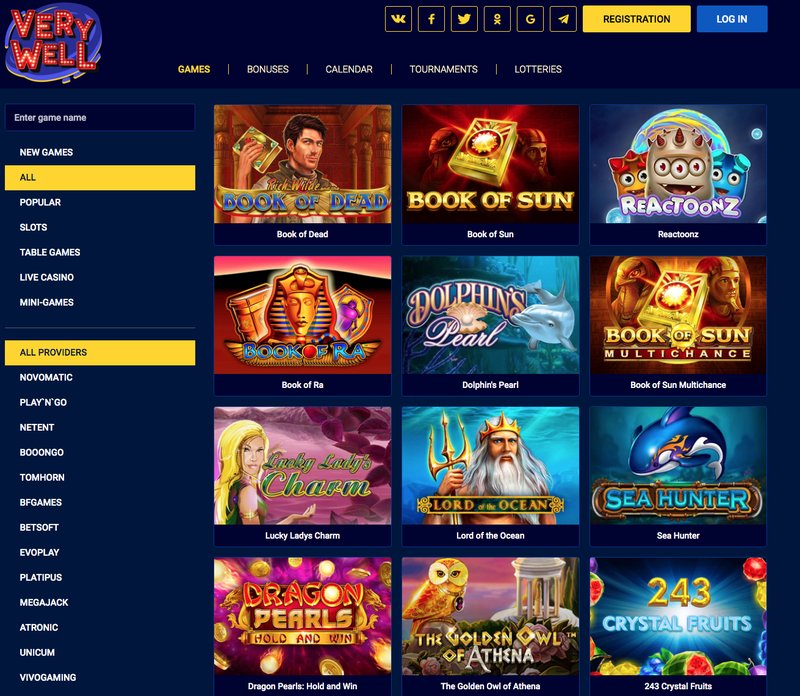
Beyond pure gaming, the rise of mobile multiplayer dovetails with other forms of online leisure. For instance, many players now switch from a quick match to a live‑streamed tournament or even try their luck at a virtual casino. A brief look at the very well casino shows how operators are integrating social leaderboards and multiplayer slots to capture this engaged audience.
Challenges on the Horizon
Despite the growth, several hurdles remain. Battery consumption is a tangible issue; a typical 30‑minute multiplayer session can drain 20 % of a phone’s charge on a mid‑range device. Data usage is another concern: a high‑intensity match can consume up to 150 MB, which adds up for players on limited plans.
Moreover, the UK’s stringent data‑privacy regulations mean developers must navigate GDPR compliance carefully, especially when handling voice chat recordings and location data for matchmaking.
What This Means for the Future
Looking ahead, the convergence of 5G, cloud gaming, and sophisticated social features suggests that mobile multiplayer will become the default mode for many UK gamers. Expect shorter, more frequent sessions that fit into daily commutes, and a continued blurring of lines between gaming, streaming, and other online entertainments.
For Emma, the next step is simple: she’ll download the upcoming “Realm Raiders” launch, join a local guild, and probably end the day with a quick raid before heading to bed. She’s not just playing; she’s participating in a market that’s reshaping how a nation connects, competes, and collaborates—all from the palm of a hand.
Frequently Asked Questions
How does Emma incorporate gaming into her daily commute?
She checks leaderboards and plays quick 12‑minute matches on her phone while waiting for trains.
What type of games does Emma play during lunch breaks?
She participates in a 15‑minute battle‑royale with strangers, completing each match in exactly 12 minutes before the next notification.